





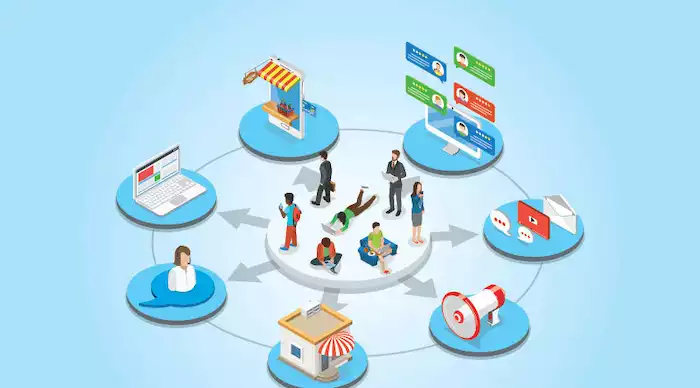

Want to wow your customers at every turn? Retail omnichannel makes it possible by connecting every touchpoint - online, in-store, and beyond - into one seamless experience. With convenience at the heart of shopping, mastering this strategy can boost engagement, loyalty, and profits faster than ever!
Introduction
A successful retail omnichannel strategy relies on four pillars: integrated data, consistent branding, real-time inventory, and connected technologies.
The Evolving Retail Landscape
The modern retail world is shaped by connected customers who want shopping to be easy, consistent, and personal. Today’s shoppers don’t see a difference between online and in-store experiences - they just want everything to work smoothly wherever they shop.
That’s why retail omnichannel has become so important. It brings all sales channels together into one connected system, allowing customers to browse, buy, and interact effortlessly, no matter which platform or device they choose.
What is Retail Omnichannel?
Retail omnichannel refers to a fully integrated sales approach where all channels - physical stores, e-commerce platforms, mobile apps, and social media - work in harmony. Unlike multi-channel, which simply operates several independent touchpoints, omnichannel ensures a unified and consistent journey across them.
The foundation of retail omnichannel is delivering one consistent brand experience everywhere. Whether a customer interacts in-store, online, or via chat, they should receive the same level of service, product accuracy, and personalized communication. Botcake helped Le Van Anh 3.6x conversion rate, a 2x return on ads spent (ROAS), and an increase of 43% purchase volume.
Why Omnichannel is No Longer Optional
Businesses implementing retail omnichannel strategies report higher conversion rates, better retention, and more valuable insights from cross-channel data. Integration allows teams to understand buying patterns and forecast demand more accurately.
For customers, omnichannel is all about convenience - they can shop whenever and however they want. It also provides personalized product recommendations, simple payment choices, and hassle-free order processing, all wrapped into one seamless brand experience.
Pillars of a Successful Retail Omnichannel Strategy

The strength of any retail omnichannel approach lies in its core pillars - data integration, brand consistency, inventory synchronization, and technology connectivity.
Unified Customer Data
A successful retail omnichannel strategy comes from unified customer data. A single customer view brings together all interactions across every touchpoint into one comprehensive profile, allowing businesses to instantly recognize each shopper’s behavior, needs, and preferences.
Systems like CRM (Customer Relationship Management) and CDP (Customer Data Platform) help bring all customer data together in real time. This way of integration, marketing, sales, and support teams can always see accurate, up-to-date information, making it easier to make smart decisions and create more personalized experiences.
Consistent Branding and Messaging
Consistency is the key to success in retail omnichannel. No matter where customers find your brand - through an ad, a mobile app, or a store visit - your colors, tone, and visuals should always look and feel the same. When your message or product details change between channels, customers can lose trust easily.
That’s why keeping your content aligned is so important. It helps ensure that promotions, prices, and product information stay consistent everywhere, which strengthens your brand image and builds customer confidence.
Seamless Inventory Management
Good inventory management is essential for creating a smooth and reliable shopping experience. By using a real-time system, businesses can keep product availability accurate across both online and offline stores, which helps prevent stockouts, overselling, and customer frustration while building trust.
On top of that, retail omnichannel strategies are strengthened by fulfillment options like BOPIS (Buy Online, Pick Up In-Store) and ship-from-store. These methods not only speed up delivery but also give shoppers more flexibility and convenience, encouraging repeat purchases and fostering long-term loyalty.
Integrated Technology Stack
A successful retail omnichannel system depends on connected technology like POS systems, e-commerce platforms, CRMs, and marketing tools, all working together to create one smooth, unified experience.
APIs serve as the link that helps these systems communicate easily with each other. This connection keeps data flowing smoothly, reduces mistakes, and removes barriers between departments. As a result, your business becomes more flexible and ready to respond quickly to customer needs and market changes.
Key Touchpoints in the Omnichannel Journey
To deliver a consistent customer experience, retail omnichannel strategies must connect every touchpoint from digital channels and in-store experiences to communication and post-purchase engagement.
Online Presence
Your website remains the digital hub of retail omnichannel. Optimizing for speed, responsiveness, and usability ensures consistent engagement and conversion. Social platforms now double as shopping channels. Integrating Instagram Shops or Facebook Stores enables direct buying within the app. Mobile apps enhance loyalty through personalization via push notifications, exclusive offers, and easy checkout.
Physical Store Experience
Using digital tools like kiosks or smart mirrors helps connect online and in-store shopping, making the experience more engaging and creating more chances to increase sales. When sales staff have access to customer profiles, they can give better recommendations and offer a smoother shopping experience. Together, these tools combine the convenience of digital shopping with the personal touch of in-store service, boosting both customer satisfaction and store visits.
Communication Channels
Omnichannel communication keeps brands connected and ensures customers receive consistent support across all touchpoints. Personalized emails and SMS help nurture relationships and encourage repeat purchases. Botcake takes this further by offering automation and AI-powered messaging, responding to customer inquiries 24/7 and even helping close orders, so your customers are always supported anytime, anywhere. Unified call centers provide continuity, allowing support agents to access all customer data no matter where the conversation started, ensuring seamless service and a better overall experience.
Post-Purchase Experience
Transparency builds trust. Automated notifications keep customers updated on their order status and delivery. Retail omnichannel simplifies returns as customers can return online purchases in-store or vice versa. Rewarding repeat customers through omnichannel loyalty programs promotes long-term retention and advocacy.
Implementing Your Retail Omnichannel Strategy

Turning your retail omnichannel vision into reality requires a structured plan, connected systems, trained staff, and ongoing evaluation to ensure consistent results.
Assessment and Planning
Begin by mapping out your current customer journeys and spotting areas where the experience may break down. Then, track success using simple metrics like cross-channel engagement, customer lifetime value, and fulfillment efficiency to see what’s working and what needs improvement.
Technology Selection and Integration
If you want to run a multi-channel business smoothly, there are two important things you need to manage well:
1. Centralize product, order, and inventory management across all channels.
Tools like Pancake POS help you manage products, orders, and multiple warehouses easily, whether you sell online, offline, or both.
2. Manage all customer interactions in one place.
For technology adoption, it’s best to choose scalable systems that connect smoothly, such as a unified POS, CDP, and marketing automation tools. Implementing retail omnichannel strategies gradually helps reduce risks and ensures a smooth rollout.
If you want to run a multi-channel business effectively, there are two core areas to focus on:
Centralize product, order, and multi-warehouse management:
Use Pancake POS to sync your product catalog, control inventory, and manage orders across every channel — from online stores to physical locations — all in one unified system.
Manage and streamline all customer interactions:
As you scale across multiple channels, use Pancake to centralize conversations from Facebook, Instagram, website chat, and more into a single dashboard. Then, let Botcake automate essential tasks like answering FAQs, qualifying leads, and handling basic customer care, helping your team save time while customers receive fast and consistent support.
Staff Training and Empowerment
Getting your team on the same page is essential. Every employee should understand how each channel plays a role in creating a seamless customer experience. Give your staff access to analytics dashboards and customer interaction histories so they can make informed decisions and feel confident in supporting every touchpoint.
Pilot Programs and Iteration
Start small by testing your omnichannel initiatives with a limited audience before rolling them out widely. Use real performance data and customer feedback to refine your processes, learning and improving as you go to ensure consistent, long-term success.
Challenges and Best Practices
Building a strong retail omnichannel strategy has challenges, but knowing them and using best practices helps businesses succeed long-term.
Common Omnichannel Challenges
Disconnected systems lead to poor data flow and inefficiencies. Departments must collaborate closely to maintain a single brand voice. Retail omnichannel ROI measurement requires unified data tracking across all platforms.
Best Practices for Success
Customer-centricity drives true omnichannel transformation. Internal communication is the backbone of consistency. Analytics highlight which strategies deliver the best engagement and retention results. Flexibility ensures long-term success as consumer expectations shift.
Future Trends in Retail Omnichannel

As technology and customer expectations change, new trends in retail omnichannel are driven by innovation, digital experiences, social interaction, and sustainability.
AI and Machine Learning in Personalization
AI and machine learning are becoming key tools for creating personalized retail experiences. They can predict what customers will buy and also improve upselling by analyzing patterns as they happen. As retail omnichannel systems grow, AI is used more to give quick, relevant support that feels natural and timely.
Augmented Reality (AR) and Virtual Reality (VR)
AR and VR are making shopping easier and more interactive. With AR, customers can check how products look in their space, which builds confidence. VR offers virtual stores that copy real shopping, letting people explore and engage with brands wherever they are.
Social Commerce and Live Shopping Expansion
Social commerce is making it harder to tell where entertainment ends and shopping begins. Social platforms now include built-in checkout options, so people can buy products faster and more easily. Plus, live shopping events let viewers interact in real time and make instant purchases, turning casual watchers into eager customers.
Sustainable and Ethical Omnichannel Practices
Modern customers increasingly value transparency, ethical practices, and environmental responsibility. They want clear information about product sourcing and production. In response, many retailers are adopting sustainable packaging and greener fulfillment methods, which protect the environment while building stronger customer trust and loyalty.
Conclusion
In today’s fast-changing retail world, omnichannel isn’t just a bonus anymore - it’s the key to long-term growth. By linking data, technology, and customer experiences, retailers can build a smooth shopping journey that earns loyalty and boosts sales. The future belongs to brands that stay flexible, personalize their approach, and keep improving.
Ready to take your retail omnichannel strategy further? Let Botcake.io help you create connected, customer-focused experiences that truly convert.